
IPTV Free Trial UK 2026: What a Trial That Actually Holds Up Looks Like
September 3, 2026 · 7 min read
IPTV free trial UK shoppers run into the same pattern often enough that it barely feels like bad luck anymore: the sign-up page promises full access, the terms stay vague about what "full access" actually means, activation drags on for a day or two past what was promised, and the stream that looked fine on night one is buffering and dropping by day three. By the time it's clear the trial was never going to hold, the moment you wanted it for — a match, a weekend of catch-up, a proper test before paying for months — is already gone.
That pattern is exactly what a recent free-trial comparison video set out to measure, running six providers through identical conditions in the UK: same device, same network, same content categories, over roughly two weeks. This article walks through what the bad version of a free trial usually looks like, what the test found when a trial actually worked as advertised, and where Kemo IPTV's own trial fit into that six-provider roundup — honestly, not as a victory lap.
The Before: What a UK IPTV Trial Usually Looks Like
Ask around any IPTV forum and the same three complaints surface. First, vague terms: the trial page never says plainly how many days you get, which channel categories are included, or whether the trial runs on the same servers as the paid service — details that only become clear once something goes wrong. Second, delayed activation: credentials that were supposed to arrive within minutes take hours, sometimes a full day, quietly eating into the trial window you were promised.
Third, and worst, is the stream that works on day one and doesn't by day three. A provider can serve a clean picture from a lightly loaded server for the first 24 to 48 hours and then move real usage onto a different, more crowded backend once the honeymoon period ends. The viewer never sees that switch happen; they just notice the freezing starts a couple of days in, right around when they'd normally decide whether to pay for a full plan.
Want to know if your current provider would survive the same trial test?
The Test: Six Providers, Identical Conditions
The comparison ran each of six providers under the same rules: same device, same home network, same categories of content, so any difference in performance came from the provider's own infrastructure rather than the viewer's setup. Alfa IPTV55 handled a Premier League match and a full film with zero buffering, quoted at £18.76 for three months and £51.77 for twelve. British IPTV held a Champions League match rock solid and threw in useful catch-up/replay, at £24 for three months and £64 for twelve, though PayPal wasn't an option at checkout.
Apollo Group TV carried a sold-out boxing event at peak hours without a stutter and had the quickest setup of the six, at £8.25 for a 30-day starter plan. Marinios IPTV delivered a rugby international and a VOD film with a crisp picture and fast channel switching, plus a genuinely clear refund policy, at £21.76 for three months. Boss IPTV got through a live football match without a hiccup and supports multiple screens at once, but the presenter couldn't confirm current pricing on camera and, fairly, didn't guess a number rather than make one up.
The After: What Kemo IPTV's Trial Actually Delivered
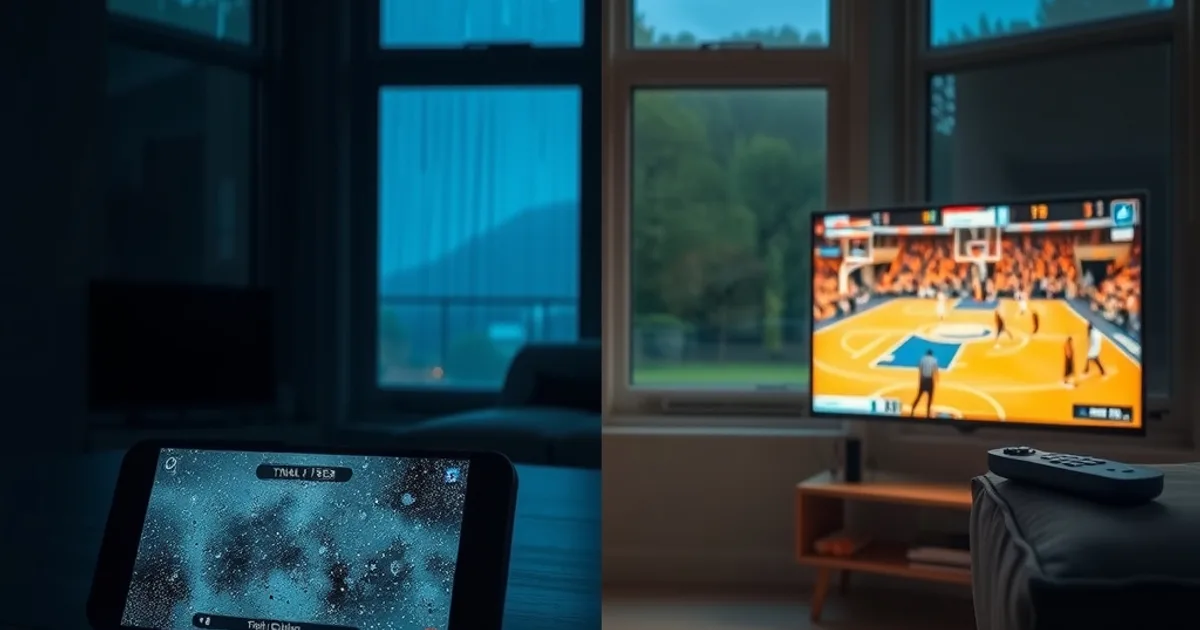
Kemo IPTV's segment of the test ran a basketball game followed by two episodes binged back to back — a mix of live and on-demand in one sitting, which is a reasonable proxy for how most people actually use a trial. The result was smooth throughout, with the video calling out fast activation and strong channel stability as the standout points. The one gripe noted was a smaller selection of American sports channels compared with some rivals, worth knowing upfront if that's specifically what you watch.
Quoted at £21.76 for three months and £27.01 for six in the video (no twelve-month option was shown), that's the UK-facing number a viewer using that particular provider's checkout would see. Kemo IPTV's own site prices differently and in US dollars, which is the number that matters if you're subscribing directly rather than through a comparison page — covered in the pricing section below.
Where Kemo Landed in the Roundup — Said Plainly
In the video's own final order, Kemo IPTV placed third of six: Alfa IPTV55 first for value and stability, British IPTV second, Kemo IPTV third for smooth streams, then Apollo Group TV, Marinios IPTV and Boss IPTV. Worth saying plainly on Kemo IPTV's own site rather than glossing over it — third place in a roundup of six providers that all passed their live-content test is a genuinely solid result, not a loss dressed up as a win, and every provider named above earned its placing on its own merits during the test.
What that third-place result actually shows is more useful than a first-place claim would be: a basketball game and two episodes streamed back to back without a drop, activation was fast enough that the trial window wasn't half-wasted waiting for credentials, and the only real knock was a smaller American sports lineup rather than anything about reliability. That's a materially different outcome from the vague-terms, delayed-activation, dead-by-day-three pattern described above — which is the actual comparison worth making before paying for anything.
How to Run This Check Yourself Before You Pay
The test above is useful evidence, but it isn't a substitute for testing on your own connection. Before committing to any provider's paid plan, run its trial against the same three questions: do credentials arrive within the timeframe promised, does the picture hold steady through a genuinely busy period rather than a quiet afternoon, and does anything change for the worse once day three or four rolls around. If a provider fails any of those, that's the moment to walk away, not after you've already paid for months.
If you'd rather build a baseline before spending anything at all, putting a free Canadian trial line through the same day-three test first is one practical way UK viewers do exactly that — it costs nothing and gives you a reference point for what "holds up" actually looks like before you judge any paid trial against it.
Kemo IPTV's own 1-Month trial is priced at $10 and, per the video above, activates fast with a stable stream from the same infrastructure as the paid plans — the same logic covered in more depth in our full trial breakdown.
See whether the $10 trial holds up on your own connection too.
Kemo IPTV's Real Pricing, in USD
Kemo IPTV's own site prices in US dollars, not pounds, so the figures that matter for anyone subscribing directly are: 3 Months at $29, 6 Months at $36, 12 Months at $69 (the best-value plan) and 24 Months at $99 — all four tiers include the same 30,000+ live channels, 40,000+ VOD titles, EPG guides and 24/7 support. The separate 1-Month trial is $10, which is the number to compare against any GBP figure quoted elsewhere, since converting currencies mid-comparison is where a lot of shoppers accidentally overpay.
None of the other five providers tested are being scored here — this article is about Kemo IPTV's own trial and pricing — but for context, all six held up during their respective live-content tests, and Boss IPTV's pricing genuinely wasn't confirmed on camera rather than being a gap in this write-up specifically.
Frequently asked questions
How much does the Kemo IPTV free trial cost, and what does it include?
Kemo IPTV's trial is a 1-Month premium trial for $10, running on the same infrastructure as the full subscription: the same 30,000+ live channels and 40,000+ VOD titles, in 4K, FHD and HD.
Did the comparison video rate Kemo IPTV as the best free trial in the UK?
No — the video's own final order placed Kemo IPTV third of the six providers tested, behind Alfa IPTV55 and British IPTV. It was praised specifically for smooth streaming through a basketball game and two back-to-back episodes and for fast activation, with a smaller American sports channel selection noted as its main gap.
What's the fastest way to tell a real IPTV trial from a bad one?
Check three things: whether login credentials arrive within the timeframe promised, whether the stream holds up during a genuinely busy viewing period rather than a quiet one, and whether anything changes for the worse a few days in. A trial that passes all three on your own connection is worth more than any provider's marketing claims.
Read next: the pricing page or the FAQ.